 GreenYield
09 Jun 2024



10 Jun 2024
GreenYield performs rigorous due diligence on every farmland and timberland opportunity featured on our platform. Our goal is to give investors, family offices, and institutions access to what we believe are high quality land assets. We evaluate every property with care so you do not have to manage the complex research yourself.
So what does our due diligence process look like? Here is an inside look.
Our expert team reviews each opportunity thoroughly before it appears on the site. This includes a complete investment committee review that requires a unanimous decision. After a property is funded, GreenYield continues to communicate with the management team on the farm throughout the investment cycle. We work with each operator from acquisition until a suitable exit opportunity is identified and any net proceeds are distributed to investor accounts. This means we conduct due diligence before, during, and after every investment is funded.
We are committed to making high quality farmland investments accessible. Like any real estate or land based asset, it is essential to understand the land and its intended use before capital is deployed.
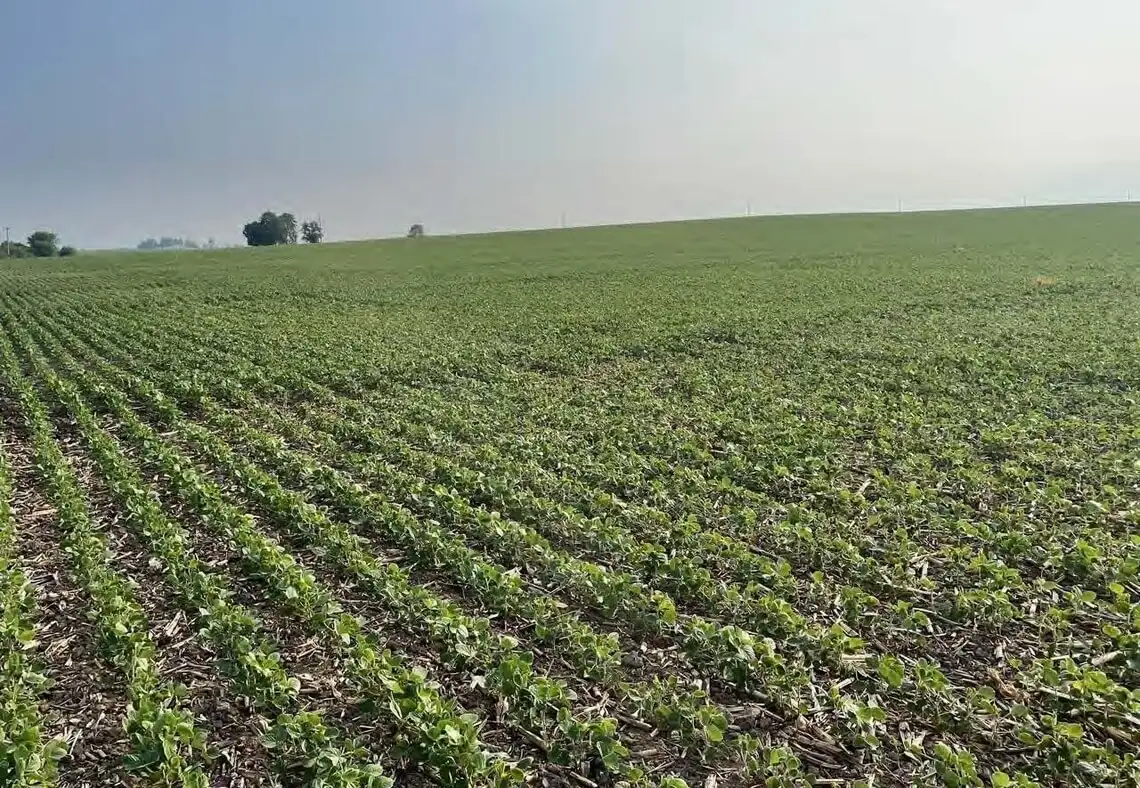
If you are not familiar with American farmland, it can be difficult to determine which farms are positioned for long term success. Performance is shaped by factors such as soil composition, water availability, lease structure, crop type, and historical land use. These qualities work together to determine which crops are best suited for each property. For example, a successful vineyard in California requires completely different soil characteristics and water resources than a corn and soybean farm in Iowa.
Our due diligence approach works because it brings together experts from two teams. Our farm team evaluates each opportunity by analyzing water access, soil quality, climate, infrastructure, and crop history. They also learn the operational preferences of the farmers who manage each property. Our investor relations professionals have deep experience in how farmland fits into diversified portfolios, which allows them to understand how each investment may benefit investors.
There are five steps in the GreenYield due diligence process. These include sourcing, screening, valuation, investment committee review, and ongoing management.
Farmland covers nearly forty percent of the United States. With such a large footprint, the question becomes how we identify farms worth investing in.
Most of the properties featured on GreenYield are brought to us by local farmers and farm managers who recognize opportunities in their own communities. These individuals know the land that surrounds them, which often means they present us with strong candidates that are not publicly listed. This gives GreenYield a unique advantage when selecting potential properties.
Once an opportunity is presented, our team begins a detailed review of the land and its characteristics.
The screening process for every property is extensive. It begins with our advanced land research tools, which use historic data, satellite imagery, soil information, drainage patterns, and elevation models to build a complete picture of land quality across the country. This research helps us understand the intrinsic value of a property and its potential performance.
Screening also includes a site visit by a local farmer and a third party consultant. During this visit, they may test soil or nematode samples, evaluate drainage patterns, check for crop diseases, or analyze water salinity. Third party consultants are valuable because they have the tools and laboratory partnerships needed for accurate testing.
Only about five percent of all sourced properties move beyond this stage and continue to valuation.
In the valuation step, we review extensive historical maps, imagery, and crop records to understand the long term performance of the land. Our team analyzes price per acre, price per productivity index point, county yields, county rent levels, and other critical financial data.
We also look at surrounding land to understand commodity pricing, market direction, and operational trends. All of these factors help us determine the economic viability of the property and its risk profile.
After we complete the valuation and financial modeling, the property is submitted to our investment committee.
Each investment is reviewed by an internal committee that performs a detailed risk assessment. This includes reviewing comparable sales, the financial model, the operational plan, and property level characteristics. A unanimous decision is required to move forward.
Because of this rigorous process, only a small percentage of reviewed opportunities reach the platform.
If a property is approved, we initiate a purchase agreement and prepare the offering for the GreenYield platform. Our due diligence continues even after the offering is funded. Throughout the entire holding period, we monitor the farm to ensure ongoing operational quality.
After funding, we maintain regular communication with the farm managers and operators. This includes mid year reports, operational updates, development progress, budgets, actual yields, and any weather related impacts.
We also update asset valuations based on real performance. Any annual distributions are delivered to investor accounts. We monitor each farm until an exit opportunity arises and investors receive their returns.
The GreenYield due diligence process is designed to bring investors only what we believe are high quality opportunities. Our experienced team sources, screens, values, reviews, and manages properties so you can feel confident as you build a portfolio within this historically resilient asset class.
If you are ready to begin expanding your portfolio, speak with a member of our investor relations team to explore current opportunities that may be right for you.
Note that investors are purchasing shares in an entity that acquires farmland. Investors are not purchasing acreage directly.
The content above is educational and intended for general informational purposes. Historical performance does not guarantee future results. All investments involve risks including the potential loss of principal. Diversification does not ensure profit or protect against loss in declining markets. Investors should consider their financial objectives, risk tolerance, tax considerations, and liquidity needs before investing.
Farmland investments include additional risks such as commodity price fluctuations, adverse weather, crop disease, and operational challenges. Refer to the Private Placement Memorandum for complete risk information.
Alternative investments are speculative, involve a high level of risk, and may not be suitable for all investors. These investments are illiquid, not publicly traded, and require long term capital commitment. Distributions are not guaranteed.
GreenYield
09 Jun 2024
GreenYield
10 Jun 2024
GreenYield
10 Jun 2024
GreenYield
10 Jun 2024
 your Money